
Comment:
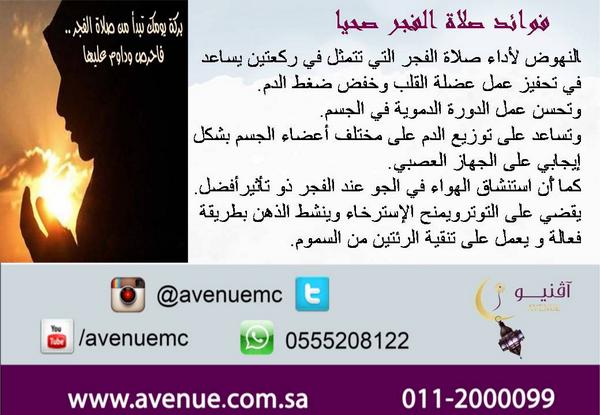
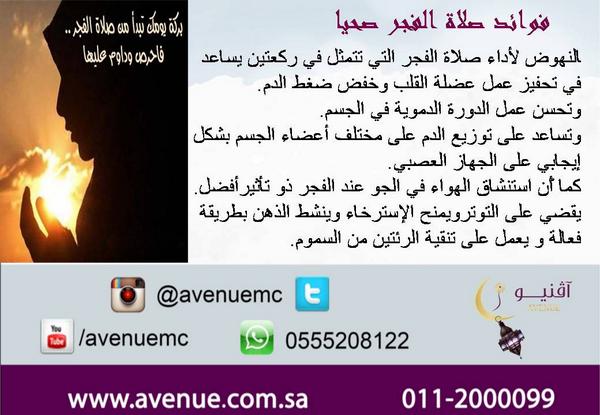
Every righteous deed, activity and movement must have some intangible and tangible benefit. That the dawn prayer might have health benefits is therefore entirely possible. Those benefits may be realised for some people and not for others, depending on different causes and circumstances. Accordingly, it was not the method of the Qur’an and the Sunnah to encourage servants to perform acts of worship by highlighting the psychological and health benefits that might follow. Rather, the divine command prescribed worship as a right devoted purely to God: “They were commanded only to worship God, sincerely devoting religion to Him as upright believers, to establish prayer and give the obligatory alms. That is the upright religion.”
This post harms the servant’s intention and purpose in fulfilling God’s right to worship, attaching his heart and resolve to material, utilitarian aspects. This greatly damages sincere servitude to God: it either weakens sincerity or corrupts and invalidates it. We seek refuge in God.