
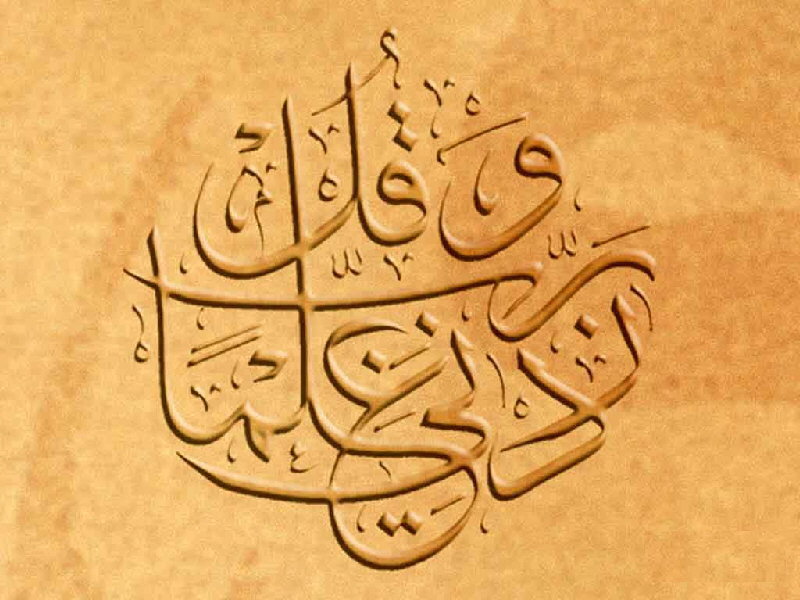
The text:
In the attached video from Abd Allah al-Mudaifer’s programme Al-Liwan on Khalijiah television, dated 16 June 2019, al-Huwayrini says:
“Why do I pray? You have the right to ask. Someone tells me: for worship. Why did God impose this worship? Does He need this prostration, or is there a system ensuring the soundness of worldly life? Worldly life will not be sound without commitment, because we cannot succeed in life unless we commit. Since life requires commitment to function properly, from planting a tree to manufacturing an aircraft, God imposed these prayers on us to teach us commitment so that we succeed. Come to prayer, come to success…”
Comment:
Ali al-Huwayrini (1945–2022), may God have mercy on him, was a Saudi actor, director and poet known for his ethical and social views. He erred, may God forgive him, when he ventured into subtle matters of creed and Islamic law. This statement is an example: he interpreted worship as having the purpose of establishing a system of conduct and morality.
This doctrine undoubtedly contradicts the foundation of Islam, as we have explained in many publications. Here we reiterate several general principles:
- What Ali al-Huwayrini stated is precisely the theory of Ibn Sina and other extreme philosophers: that prophets instituted “acts of worship” as a means of securing ordinary people’s adherence to “laws” that maintain the “order” of their worldly life. This is among the most dangerous principles by which they contradicted Muslim belief concerning worship and prophethood.
- “God is independent of our worship and does not need our service” is a correct premise. But the claim built upon it, that worship does not concern God but returns only to humanity, is false. The Qur’an and Sunnah show that it concerns Him because He deserves it by His very being, majesty and greatness. He loves it, approves it, rejoices in it and is angered by its neglect.
- We believe that Ali al-Huwayrini, may God pardon us and him, did not realise the unbelieving philosophical dimension of what he said and did not intend agreement with esotericist doctrines. But this “deviation and error” has spread through the community and influenced most intellectuals without their realising it. Efforts must therefore be made to counter it and warn against it.
- Mindfulness of God, establishing prayer and observing prophetic practices and religious manners are undoubtedly among the most important causes of people’s improvement through upright conduct, refined morals and justice between them. But this is a fruit and result of establishing servitude to God. Servitude is its cause, not an instrument. Moreover, its occurrence is possible, not necessary. If it occurs, it is limited to particular people, times and places. It is improvement in a spiritual and moral sense, not the purely material sense promised by advocates of the utilitarian interpretation and materialist interpretation of religion.
For more, see:
People’s positions on the benefit and wisdom of worship
Encouraging prostration by magnifying its worldly benefits
Did religion come to organise life and develop the earth?
Having little of this world and social injustice
Seeking forgiveness and worldly interests: a mathematical equation